Logo

Archive for the ‘Wine of the Week’ Category

Wine of the Week: Concha Y Toro Marques de Casa Concha Carmenere 2007

OK, the names seem to be getting even longer.  Sorry.

But do try this 90% Carmenere / 10% Cabernet, the debut vintage of the line, which I tasted with the winemaker in 2009 shortly after its release.  Even then it was already drinkable, and it’s only gotten better: a deep purple, rich, blackberry and plum treat, well balanced, with ripe, chewy tannin and a wonderful finish.

You can find this wine at about $18-21.  It’s a little above the range of wines I typically recommend, but worthy every penny. And the 2008 and 2009 are also outstanding if you can’t lay your hands on an ’07.


Wine of the Week: Argiano Non Confunditur 2009

In this wine, Italy does meet France. Argiano is an Italian winemaker with 120 acres of vines in Montalcino, Tuscany, and also produces a Bordeaux-style wine entirely from French grapes, in addition to three 100% Sangiovese wines.

This is a full-bodied, very satisfying wine that a bunch of work colleagues and I enjoyed the other night at Eno Terra in Princeton.  Forty percent Cab, and twenty percent each Sangiovese, Merlot and Syrah, this is one of the most interesting blends I’ve ever tasted.  Nice blackfruit, a touch of spice, noticeable but not overwhelming tannin and a really nice, long finish, this is a great wine with food or just by itself on a cold, winter night.  Like we’re having here in…New Jersey.

You can find this wine at about $16-19.


Wine of the Week: Cesari Mara Valpolicella Superiore Ripasso DOC 2009

I know, I know, the wine name is absurdly long.  But trust me, it’s great wine.

Valpolicella is the region where the wine is made in northeastern Italy called the Veneto.  The grapes are three – possibly three you’ve never heard of: Corvina, Rondinella and Molinara.

Sometimes called a “baby Amarone,” the secret to this wine is the Ripasso method—a technique that passes the juice over the skins and seeds from an Amarone fermentation. This sets off another fermentation, taking the cherry fruit flavors of Valpolicella and creating a much richer, spicier wine with more tannin, and a bit more alcohol. You get lots of blackfruit, coffee, figs, and raisins, and much of the intensity and pleasure of Amarones at perhaps a quarter to a third of their cost.

You can find this wine at about $13-16 in most good wine shops.


Wine of the Week: Domaine de L’Olivier Chardonnay 2009

Good Chard under ten bucks is almost unheard of.  This is one of them.  And it’s a pretty good wine to serve before, if not with, the Thanksgiving meal.

Now if you’re a real fan of big, sweet, caramel-y, high alcohol Chardonnays you probably won’t be impressed.  Because this is a crisp, virtually unoaked, almost Chablis-like wine, with citrus and pineapple aromas and flavors of lemon and a hint of vanilla.

This is not from Burgundy, of course; it’s from the Languedoc-Roussillon in the very southeast, bordering on the Mediterranean, and the wine is classified “Pays d’Oc”.  That means, mainly, it’s good table wine from a fairly large region.

And it also is an amazingly good, remarkably inexpensive wine that tastes like it cost about two and a half times what you can buy it for.  I just bought a case.


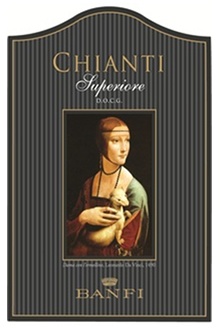
Wine of the Week: Banfi Chianti Classico 2008

For thirteen bucks, you really can’t do much better.

That’s my opinion, and it’s also the opinion of a bunch of wine Judges at the Ultimate Wine Challenge in NY City this past May. Normally I don’t put too much stock in wine contests, but this one I liked, especially as the tastings were blind and the top scorers were were then tasted by a whole different group of judges. And they put a lot of emphasis on affordable and value wines.  This is certainly one of them.

Anyway, what a great food wine: medium bodied, with flavors of black and bing cherries, a hint of leather, nice acidity, and enough tannin to chew on but not overwhelm you. Most of this is Sangiovese, one of my favorite grapes, with a few percent of the other traditional Chianti grapes, too.

Right now, amazingly, it’s snowing outside in October, and this is a nice “comfort” wine at a great price.


Wine of the Week: Marques de la Casa Concha 2008 Cabernet

Chilean wine has come a long, long way from the $3 plonk I drank in college.

This very good value bottle comes from Concha Y Toro, a winery run by people I’ve come to really appreciate. Concha is actually a huge operation with a slew of labels-including Casillero del Diablo, Don Melchor, Cono Sur, Terrunyo, and Los Robles-but they’re very focused on quality, and in many ways resemble a collection of boutique wineries rather than a major production house.

The 2008 Marques de la Casa Concha Cab is one of those wines that could easily have become an overripe, over-tannic, high-alcohol fruit bomb. Instead, it’s nicely structured and well balanced, just moderately powerful and lush enough. There’s a little mint and chocolate in there, reminiscent of a Mount Veeder (Napa), around a nice core of blackfruit. The 2008 vintage is about 92% Cab with a few percent Carmenere and 1% Petit Verdot.

This is a very satisfying wine that hints at a powerful California Cab but delivers a more restrained, nuanced and elegant experience. It’s got a great and moderately long finish, too.

It’s about $16-$20 just about everywhere. I’d say snap up a few bottles when you can find it.


Wine of the Week: Francois Cazin Cour Cheverny 2008

Fall is almost here and this wine, made from a grape you probably never heard of—Romorantin—is an ideal drink for the season.

Lots of “onlys” here: there are only about 48 hectares of Romorantin in total, only in France’s Loire valley, and amounting to only about 119 acres across 30 domaines. One of the best, proprietor François Cazin picks his grapes entirely by hand, uses gravity only (no pumping), wild rather than cultured yeasts, and bottles without filtering. So, when he gets a good crop, he gets great wines, but with so little manipulation, that’s not every year.

Cazin’s white Cheverny is a blend of 70% Sauvignon Blanc and 30% Chardonnay, but the Cour-Cheverny by definition is 100% Romorantin. His 2008 offers lemon, ginger and pear aromas with a crisp, bracing backbone, and it’s a little unctuous like a Viognier with a touch of apple-y sweetness and honey notes.

It ain’t easy to find, but good stores in larger cities will have it or can get it for you.  Around 20 bucks and well worth it.  Bring on the pumpkins.

Oh, and sorry – but the full name is Francois Cazin Cour Cheverny Vendange Manuelles Le Petit Chambord 2008.


Wine of the Week: D’Arenberg Stump Jump White McLaren Vale 2008

Stump Jump White 2008

Granted it’s a long name.  But it’s a great wine, made from a pretty interesting combination of Riesling (55%) Sauvignon Blanc (17%) Marsanne (16%) Roussanne (12%).  If you think about it, that’s three wine regions and potentially a dozen or more countries, but it all comes from the McLaren Vale region of Australia.

The wine is named for the unique plough that can ride over – but not get stuck in – the stumps and gnarled roots often found in this area.

Now let’s get down to the wine itself…It’s got a great nose that comes mostly from the Riesling, but on the palate you get crispness from the Sauvignon Blanc, minerality from the Marsanne and Roussanne, and nice peach, melon, and citrus flavors.

This is one of the wines we enjoyed in June Royal Caribbean’s Explorer of the Seas and it so impressed me that, as the summer wanes, I hope you’ll all give it a try.


WINE OF THE WEEK: Zolo Torrontes Mendoza 2008

This is a grape – and a wine – that few people in North America have heard of, let alone tasted.  But it’s well worth your time and taste buds to do so! 
 
Torrontes is widely considered to the the “signature” white of Argentina, and as far as I can tell it’s the only country that produces it.  We believe the grape is hybrid of Muscat of Alexandria and Criolla Chica, called the Mission grape in California.
 
This isn’t a white wine for the Santa Margherita Pinot Grigio-drinking set, mind you. It has character, powerful aromatics and real body – delivering up enticing floral aromas and flavors of lime, white peach, and white melon.  Not to step on the toes of Old Spice, but this wine also has “bracing” acidity that keeps it fresh and lively, a necessary match for its rich and lush style.  It’s a great aperitif, perfect for a hot July afternoon.
 
The Zolo Torrontes Mendoza can be had in the range of $11-14.  Try it!
 
 FOOD PAIRINGS:   Charcuterie, Crabs, Goat cheese, White Pizza, Toasted Nuts


Wine of the Week – Chateau Tanunda Cabernet Sauvignon Noble Baron 2007

I know it’s 100 degrees outside right now and I ought to be pushing a nice dry Rose or a crisp, citrusy Chablis.  But tonight I’ll suggest instead that you crank the AC and open a bottle of Chateau Tanunda Cabernet Sauvignon Noble Baron 2007.

The fruit for this wine – mostly Cab with a few percent each of Shiraz and Cab Franc – is hand picked, basket pressed and unfiltered, giving it great authenticity that’s enhanced rather than overpowered by 18 months in oak.  It’s rich and dense but not sweet, with an elegance and subtlety that belies its power and finish that lingers long after.  The Noble Baron has got discernible mint and spice flavors, which I don’t always find appealing but which work perfectly in this wine.

It’s not cheap – WineAccess has it for about $40, but it’s worth every penny and it’s as good or better than a legion of California Cabs I’ve tasted at 2X or even 3X the price!

It’s also an impressive winery, the largest in Australia, around since 1890.   I’m so impressed with its offerings that I’ll be writing up the winery soon with tasting notes for this Cab, as well as Riesling and Shiraz (of course).

Australians make great soldiers, models, outdoorspeople and rugby players.  You can add the winemakers of Chateau Tanunda to this list!


Hammer Time? No. Rosé Time.


Mulderbosch Rosé

For years, I thought that rosé wines were kids’ stuff – sweet, with no body or character.  This probably came from memories of drinking Mateus Rosé in my early 20s—that famously cheap, commercial wine in the familiar flask-shaped green bottle, invented to appeal to everyone. Too sweet to pair with food and lacking sufficient acidity to refresh, Mateus is fizzy but it’s not really a sparkling wine. I also remember drinking Lancers, Rosé d’Anjou, and under full disclosure I’ll even admit to having tasted white Zin from time to time. Hey, my Aunt Mary liked it and brought it to the house.


The result of those youthful indiscretions was that for a long time I though all pink wines were sugary, nasty stuff and almost never tried any of the many wonderful and bone-dry rosés on the market.  They’re actually great food wines, made from many grape varieties including  Grenache, Malbec, Merlot, Sangiovese, Syrah, Pinot Noir and yes, even Zinfandel, which when fermented dry makes a lovely drink that you will never confuse with Sutter Home’s sweet stuff.


Among wine snobs, Rosé has been “uncool” and that is unfortunate, because that’s kept a lot of folks from enjoying this wonderful wine that looks more beautiful in the glass than any other.  And there are plenty of wine-savvy places where drinking rose has always been in style.


How Rosés are Made


A lot of people believe Rosé wines are made by mixing a bit of red wine with a white wine. Generally, nope, with the exception of some Champagnes.  Most Rosés begin life just like red wines; red grapes are de-stemmed, crushed and then placed in a fermenter. But instead of spending two or three weeks with the grapes skins in contact with the juice, the skins are removed after a brief period, a few hours to maybe a couple days depending on the type of grape and the style the winemaker’s going for. This relatively brief skin contact allows just enough color to turn the wine pink (or salmon or orange or coral). It also adds a tiny bit of tannin, and some complexity.


Another method is to just drain off some of the juice from a red wine during its very early stages of fermentation, then place it into own fermenter and finish the process. The process is called saignee (“to bleed”) and it also nicely concentrates the original red wine.


Rosés are known for their strawberry and raspberry aromas and flavors, and their versatility; in fact, this is one of the few wines you can drink out of a tumbler on ice and still fully enjoy. And while a lot of wine writers say that these aren’t “serious” wines, I say hooey. Wine is supposed to be fun, to bring pleasure and to complement food and in my view, no wine does these more than a good Rosé.


Some of my favorites:

  • SoloRosa Russian River Valley Syrah Rosé
  • Château Miraval Rosé Côtes de Provence
  • Monte’s Cherub Rosé of Syrah
  • Marques de Caceres Rioja Rosé
  • Domaine Lafond Tavel Rosé
  • Mulderbosch Rosé (made from 100% Cabernet Sauvignon)
  • Chandon Rose NV (Sparkling wine from Domaine Chandon USA)

Some great food pairings:

  • BBQ burgers and ribs
  • Canneloni and lasagne
  • Charcuterie
  • Grilled or broiled salmon
  • Ham
  • Lobster
  • Omelettes
  • Pizza
  • Pork tenderloin
  • Tandoori and Thai chicken


Wine Of The Week-Good Pinot Grigio

I know, I know, everyone reaches for Santa Margherita at a holiday party or a restaurant. Hey, they spend a lot of money on advertising and the brand name is well known. But between us, it’s not really good wine, and it’s absurdly expensive for what you get.
That’s why the Wine of the week is Maso Canali Trentino Pinot Grigio.

Why is this really good wine? Well I could blather on about late-harvested grapes, stainless steel fermentation, lots of contact with the lees, the fact that the same family has been farming there for 500 years, or that they don’t do malolactic fermentation.

The most important reason, though, is that the good folks at Maso Canali use the Passito process; they keep about 7% of the grapes back, and dry them separately on special racks, wonderfully concentrating their flavors, aromas and sugars.  These dried grapes are pressed, and this concentrated juice is then added to the base wine which has been fermented normally. Passito is the same process used to make the famous and expensive Amarone red wines, the difference being pretty much all of an Amarone comes from dried grapes versus only a few percent here.

Bottom line: this wine has delicious tropical fruit flavors, real body, aromas and complexity that put most Pinot Grigios to shame. Try it!


Wine(s) of the Week – THANKSGIVING!

In 10 days it’ll be Thanksgiving eve, and you’re probably putting together your menu.  And if you’re not…get on it!  And no matter what you’re having, you’ll need some wines to go with the big meal.

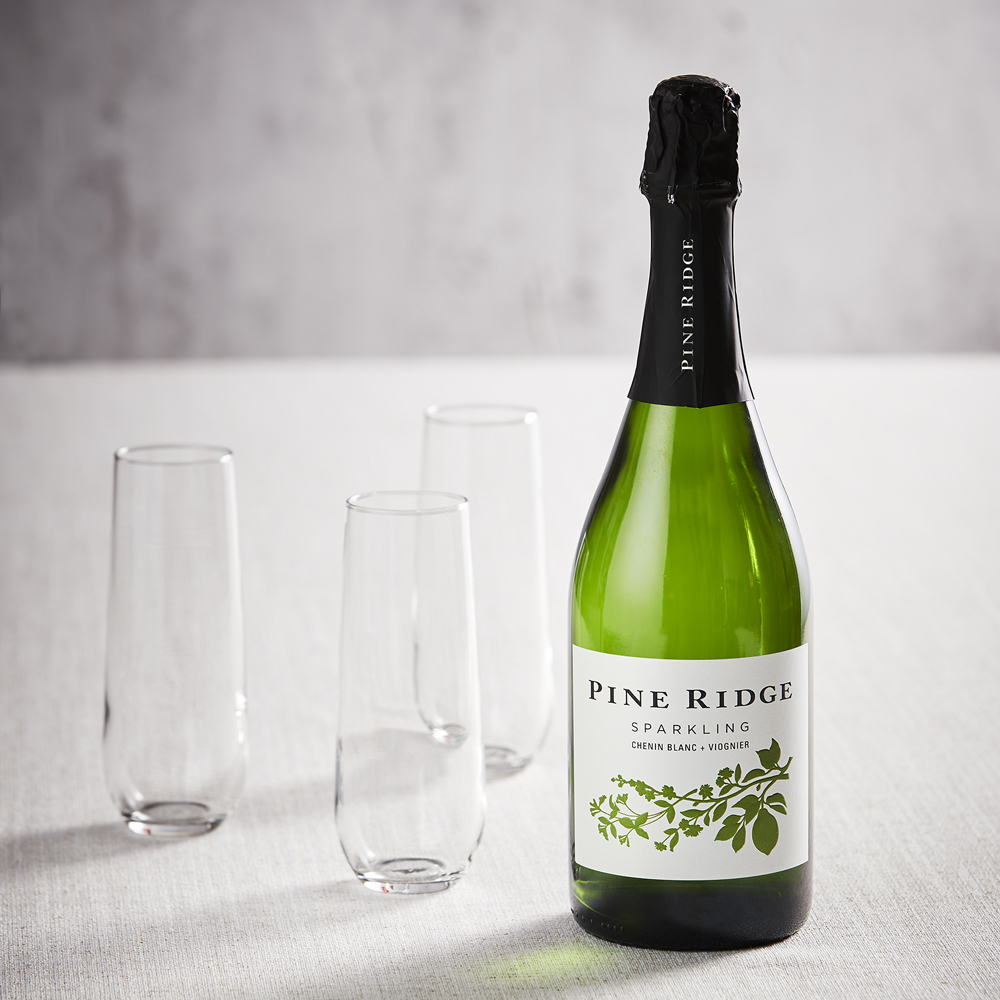
Vouvray/Chenin Blanc:  This is among the best wines in the world for Turkey.  Vouvrays are Chenin Blanc-based wines from France, and come in a variety of styles, from dry to off-dry, semi-sweet and sweet.  South Africa makes great Chenin Blancs, too: try Raats Family, Indaba or Cederberg.  And Napa’s Pine Ridge makes a wonderful mixture of Chenin Blanc and Viognier that I recommend highly.Rose:  If you’re having ham by any chance, try pairing it with Mulderbosch Rose, from South Africa, made from 100% Cabernet Sauvignon. And if you’re not, it’s a great aperitif wine!  Montes Cherub from Chile or Corbieres Domaine Sainte-Eugenie from France.  Domestically, try Sola Rosa from Napa Valley.  Goes great with cranberries, stuffing, relishes, everything!

Gewurztraminer: This somewhat spicy white wine is a nice change from all those Chardonnays or Pinot Grigios you’re offered at dinner parties.  Washington State’s Columbia Winery makes Gewurz, and California’s Fetzer Vineyards makes a nice off-dry version.  Dependable, inexpensive “authentic” Alsatians come from France’s Trimbach or Hugel et Fils.

Pinot Noir: Lotsa folk say this is a great pairing with turkey – its bright cherry flavors and gentle tannins and acidity work well with Thanksgiving treats. Check out Chalone Vineyard Monterey, Bannock Brae from New Zealand or just about any Pinot from Willamette Valley in Oregon.  From France, try Francois d’Allaines Bourgogne Rouge or  Bouchard Pere et Fils.

Beaujolais: This underappreciated and unfairly-dissed wine is a great choice if you’re not a white drinker but still want wine with your bird.  The Gamay grape makes easy-to-drink wines that are fruity but dry and go nicely with most things on the menu.  You’ll likely find a good, reliable Beaujolais selection at your retailer including Georges Dubeouf and Louis Jadot.  If you want to go up-market a bit, look for Chateau Thivin Cote de Brouilly or G. Duscombes/Morgon.


Wine Of The Week – November 9, 2009

This week’s WINE OF THE WEEK is Kunde Family Estate, Chardonnay Nu 2007.
Now, if you like sweet, caramel-y, very soft and way-buttery Chardonnay, you won’t like this one.
BUT if you like fresh, crisp Chardonnay, a wine in which you can taste the fruit – crisp apples and pears – and not just tons of oak, this is one for you.  If you’ve ever had a true French Chablis, Chardonnay Nu may remind you of that.  I won’t bore you with all the details about malolactic fermentation or new vs. old oak. I will tell you that this wine is a great companion to foods because it won’t overpower their flavors with over-the-top flavors of its own.  Yet it’s not too steely or austere like some Chablis are.
You’ll find it at retailers for about $14-17.
NEXT WEEK – What else?  Wines for Thanksgiving.  Cheers!