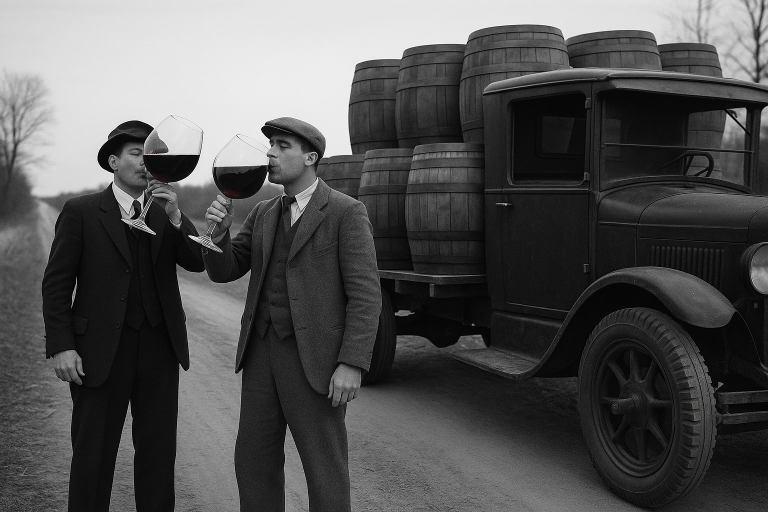
As wine educators, journalists, marketers, grape growers, winemakers, importers, distributors, retailers, and an entire supporting supply chain, we’re collectively facing what feel like unprecedented headwinds. with recent developments indicating a prolonged period of decline and transformation. As of November 2025, the sector continues to grapple with falling consumption, particularly among younger generations, rising production costs, and new regulatory and economic pressures, including trade barriers and the impact of GLP-1 weight-loss drugs.
For the domestic American wine industry, we can add crippling and whipsaw tariffs to the list of recent new challenges, include devastating wildfires; scientifically unsound and sensationalist cheap shots from the World Health Organization and Joe Biden’s outgoing Surgeon General, an oversupply of grapes and juice at harvest that is diluting prices; and new competitive products including non-alcohol beverages, hard ciders and seltzers, and ready-to-drink cocktails. Not to mention that at least one and perhaps two generations have come of age in a 24/7/365 information and marketing bombardment, and markedly different patterns of employment, leisure, shopping, and social interactions.
Making and selling wine has never been a cakewalk, and the people who do it are rarely looking to make their fortunes; instead, they do it because they can’t imagine doing anything else. And it’s useful to remind ourselves how Prohibition and the Three-tier system emerged, and how they continue to limit some players and advantage others, as we re-think where we need to go and how to get there.
Tom Wark, a noted wine industry observer, writer, and marketer, has talked for a long time about how f*****-up the 3-tier system is, especially in the way it limits consumer choice. An abbreviated version of one of his Substack posts on the subject is here.
In the meantime, drink up (safely, and in moderation as always); life is short, and wine is one of life’s great pleasures!