Archive for July, 2009
Alabama isn’t a place you’d normally think of as wine-friendly, and certainly not “wine country” – the state “boasts” only 8 wineries, and I imagine that most Alabamans have never visited or even heard of them.
But I’m happy to report that a few years ago I had reason to visit at least Birmingham several times, and found it a very nice town with some great restaurants (and once of the best steaks I’ve ever had), some beautiful homes, and generally very nice people who appeared to have most of their teeth.
So I was really disappointed to hear that the Alabama Beverage Control Board (ABC) has banned an outstanding wine from Hahn Family Wines because of the indecency of its label – “pornography” they say – shown above.
I guess I shouldn’t really be surprised. You can buy guns pretty easily in ‘Bama, but a woman (or a man, for that matter) can’t legally buy a vibrator – or “marital aid” as those clever state legislators call them, given that using them evidently leads to all sorts of terrible things.
And so I guess it follows that a wine label with a nude, flying nymph, even with no visible nipple or below-the-waist naughty bits, could cause such an uproar, forcing not only the ban but also the removal of all exiting stock from retailers’ shelves. I haven’t tasted the wine, but I hear the 2005 Cab is pretty good.
And if I do taste it, I guess it’ll be from the lovely confines of the liberal, decadent state of New Jersey! For more information on this thoroughly indecent wine, click here.
SAVOY AIN’T JUST A HOTEL IN LONDON
The Savoie region of France isn’t well known among wine drinkers in this country. Heck, it’s not well known in France, either, as far as I can tell.
Still, it’s a place that produces interesting, if sometimes quirky wines, a stone’s throw from the Swiss border and Lac Leman (Lake Geneva). The wines, mostly white, are made from Altesse/Rousette, Chardonnay, Chasselas, Jacquere and Rousanne grapes. They also make some light and lively reds mostly from Gamay (the Beaujolais grape) and Pinot Noir, and Rose from Gamay.
Since this is a wine short, I won’t get into all the AOC stuff. I’ll just say that the whites, especially the Jacquere – the name of the wine as well as the grape, unique to Savoie – are really the standouts. Jacquere can produce a very dry, fresh, minerally wine with pronounced floral characteristics.
IS THERE AN OLD ZEALAND?
I’ve been drinking a lot of New Zealand wine lately, and not just Sauvignon Blancs but also some pretty nice Chardonnays, Pinot Noirs and even Rieslings. For example, earlier this week I tasted Torlesse Waipara Riesling 2007 and was more pleasantly surprised that I can say. Nice and dry, too. Americans need to drink more Rieslings, and more NZ wine!
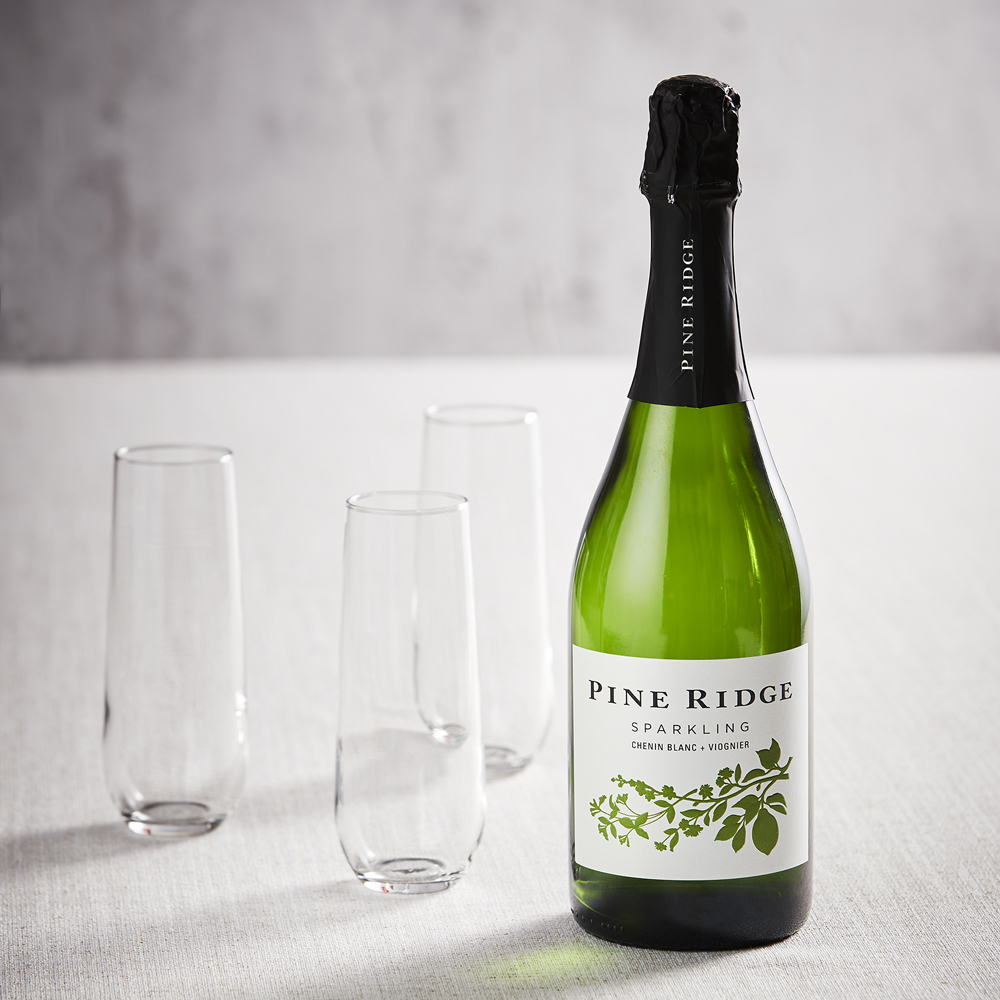
Speaking of NZ, I’m having a typical Friday night dinner – a grilled cheese with bacon, accompanied by a chilled glass of Cuvee Number 8 Sparkling Wine, from New Zealand’s No. 1 Family Estate. This non-vintage wine in the blanc de noirs style is remarkably good, blended from Chardonnay and Pinot Noir, with only a hint of strawberry, lots of toast and green apple, appealingly dry but not austere. Really good stuff.
And to answer the question, yes, the “old Zealand” is just “Zeeland”, the Dutch word for “sea land,” referring to a coastal strip of land and islands bordering Belgium. NEW Zealand, logically enough was discovered by a Dutch seaman named Abel Tasman, who also gave his name to nearby Tasmania.
Port is one of those wines – often made fun of and not well-understood. Many people who drink dry table wine, especially with meals, think Port is a “silly” sweet wine, too foreign, or just something old men drink around a fire with cigars while telling war stories. Hey, great idea – and I have a couple war stories!
Truth is, Ports are rich, they can be spicy, and don’t have to be “make-your-fillings-ache” sweet. They are a perfect way to end a meal, or just great for an afternoon treat, with or without cigars (It’s never a good idea to smoke if you really want to taste your wine). And it’s not just an old man’s wine!
There are dozens of authentic Ports; that is, produced within the Porto DOC region in northeast Portugal, between Regua and the border with Spain. Ports get their name from the city Oporto, from which Port was historically exported, and across the river from the place where the final selection and blending typically took place. More about that later.
Of course, there are also “domestic American ports,” and here I’m using a lower-case “p” because wine made in the port style anywhere else, even if it uses the four traditional grapes – Tinta Barroca, Tinta Roriz, Touriga Francesa and Touriga Nacional – cannot legally be labeled Port. One big exception is that the USA and the EU made an agreement a few years ago that grandfathers in American wineries that were producing port before 1996. So that’s why you will still see some “American Ports” with a capital P.
One trend is unfortunate: Port and port-style wine sales in the US are down for the second year in a row, off 3% in ’07 and almost as much in ’08. But one potential bright note is that these figures ignore a lot of direct-to-consumer and tasting room sales of domestic ports.
A Port Primer
Port is one of the three types of wine; in this case, fortified. The other two types are table wine and sparkling wine.
“Fortified” means that grape spirits have been added at the end of the fermentation process, which does a bunch of things: it increases the alcohol content, stops the fermentation of the base wine, typically increases the wine’s sweetness, and also adds body.
Port grapes are picked in September and placed in a special, two-chamber vessel that takes only a couple days to ferment. It is designed so that the gases created by fermentation force the juice into the top chamber, and then the juice releases and pours down onto the cap of skins, extracting maximum color and flavor. This process, a more sophisticated version of the pumpover used for dry red wines, is kind of like an old-fashioned coffee percolator. When the winemaker decides he or she’s got the right stuff, they drain the wine, which is only about 6-8% alcohol at this point, off into casks containing grape spirits, called aguadente. The mixture is generally about one part aguadente for four parts wine, meaning the new mixture is about 20% spirits. Drier Ports are fermented longer, resulting in a higher-alcohol base wine, and less aguadente is added.
Some Port producers still crush and ferment in the very old-fashioned way: people stomping barefoot on grapes in lagares, rectangular troughs made of stone, concrete or wood. Taylor Fladgate, for example, and Warre’s, both among the world’s best (Warre’s claims to be the first, established in 1670) still make some of their best Ports this way. But it a dying art, to be sure for a lot of reasons – economics, efficiency, and according to Warre’s, there just aren’t enough people around who are available and willing. Thanks to Dennis Mitchell for noticing.
Anyway, Ports at this stage were traditionally placed in pipes, casks that hold 550 liters or about 145 gallons. They were then transported to storage and blending warehouses at a place called Vila Nova de Gaia, where the producers did the final blending and classifying, resulting in wines of about 20% alcohol. Not all, but many still do this.
Of course, port-style wine producers outside Portugal do things differently. Few use traditional Port grapes, many preferring instead to traditional noble grapes such as Zinfandel, Petit Verdot, Cabernet Sauvignon and Cab Franc. One winery, Virginia’s Veritas Vineyard, uses Tannat grapes, native to France’s Madiran region, which are remarkably tannic and produce a dense, chewy wine that sometimes must bottle age for a decade before it’s even drinkable. Others use hardy local varieties such as Chambourcin, Norton and Frontenac, that are rarely used by themselves as varietals. Others do grow traditional Port grapes, such as Sonoma’s Pedroncelli.
Traditional Ports come in four main styles that you can recognize on your retailer’s shelves:
Ruby
The most basic Port, and generally the cheapest, blended from several harvests. Rubies usually spend a couple to three years in stainless steel or oak, and they tend to keep the Ruby color for which they’re known. If you’re new to Port but want to try it, start out here.
Tawny
Usually starts with an unremarkable Ruby Port which is then aged in wooden barrels. This process causes it to oxidize and also some evaporation, changing the color from Ruby to a light brown and introduces some pronounced nutty flavors. If you want to try Port but really don’t like sweet wine, give Tawny a shot.
Late-Bottled Vintage
Late-bottled Vintage means just what it says: it’s from a single year’s harvest, but is aged between four to six years in a barrel before being bottled and released, which tends to mature it more quickly.
Vi
ntage
Only about two percent of Port can be called Vintage. It’s aged in barrels for a couple years only but then in bottle for maybe 10 years before being released for sale. Aging in bottle retains the ruby color and fresh, fruity quality but the long bottle-aging adds character…and price.